During our small-group tours of Ireland, our guests always have plenty of questions up their sleeves. And we encourage you to ask away! Our guides are always really stoked to share their wisdom. But they aren’t quite encyclopedias (yet!), so even if they don’t know everything on the spot, they will always get back to you as soon as they know.
We asked our guides to let us know what questions they received most often and if they could formulate answers for this blog. The replies below are their responses to the most frequently asked questions on our small-group Ireland tours. And don’t forget to visit our full FAQS page or contact us if you can’t find what you’re looking for here.
Why is Ireland So Green?
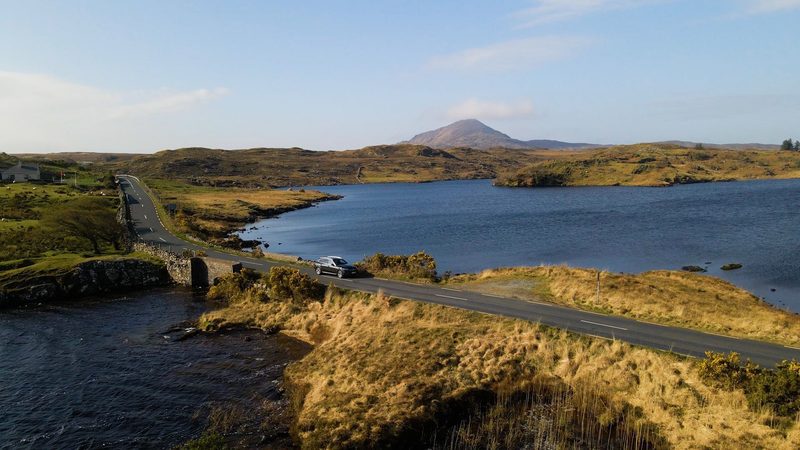
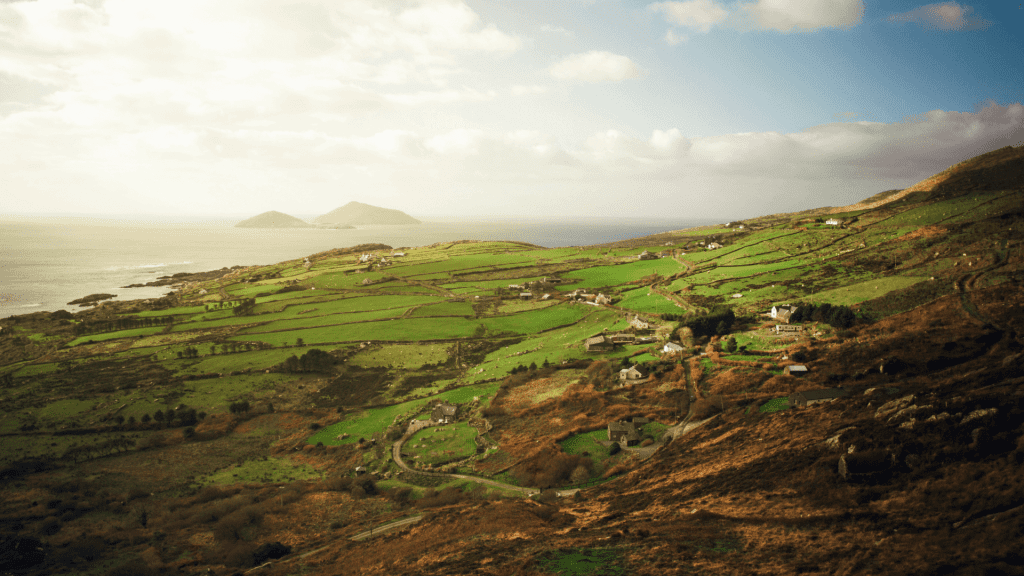
There are several reasons why Ireland is so green. The combination of these factors makes the Emerald Isle so green that it’s even noticeable from space! We won’t get up that high during our small-group tours of Ireland, but you get to see all the shades of green possible.
Ireland’s location is paramount in all of this. It sits between 51.5 and 55.5 degrees North Latitude, which is fairly similar to Newfoundland. However, while Newfoundland can have extreme cold weather, Ireland benefits from a milder climate due to the North Atlantic Drift. This extends the warm waters of the Gulf Stream and provides Ireland with a mild climate. This is just one reason why hiking in Ireland (among many outdoor activities!) is so popular.
Our climate is also known as temperate, which means that temperatures rarely go below 7°C (around 45°F). Most grass and plants grow at this temperature and above, and when you factor in our precipitation, which averages about 78 centimetres (around 31 inches), you can imagine that the grass is always greener in Ireland. This brings us to the next question…
Why Does Ireland Have So Few Forests?
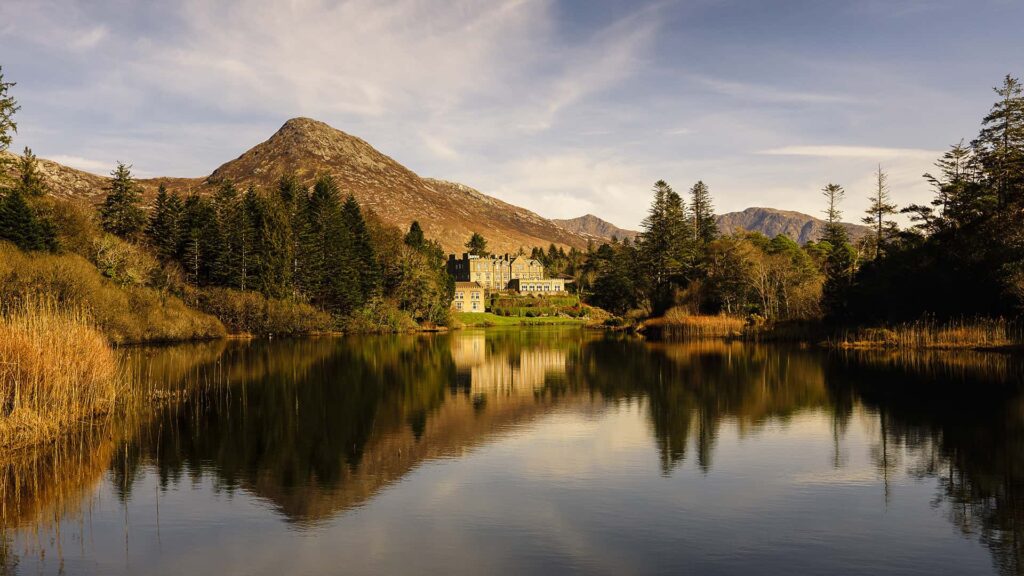
There was a time when our beautiful country was filled with trees and had forests in abundance. But like in most countries, humans cut most of the trees away. In Ireland, two stages made a significant impact on our forests.
The first one was during the Industrial Revolution, when many English planters used wood from the forests for barrel making, iron works, furniture, houses, and boats. Many trees were also cut down during our famine period. At that stage, our starving population was much bigger and needed heat from wood.
This, however, doesn’t mean that we don’t have beautiful forests. Killarney National Park is a prime example of one of the most beautiful forests in Europe. We actually stop at this location during our small-group tours of Ireland. Don’t miss our picks for the best things to see and do in Killarney if you’re planning to visit!
The good news is that new forests are being planted these days, and Ireland’s forestry is a thriving business sector!
Why is Galway Called the City of the Tribes?
For thousands of years, tribes ruled Ireland. During the time of the Celts, Ireland was divided into Kingdoms which were ruled by tribal alliances. With the introduction of Christianity, this started to change, and this was accelerated even further with the influence from outside Ireland with the invasion from the Norse, Scots, and the English.
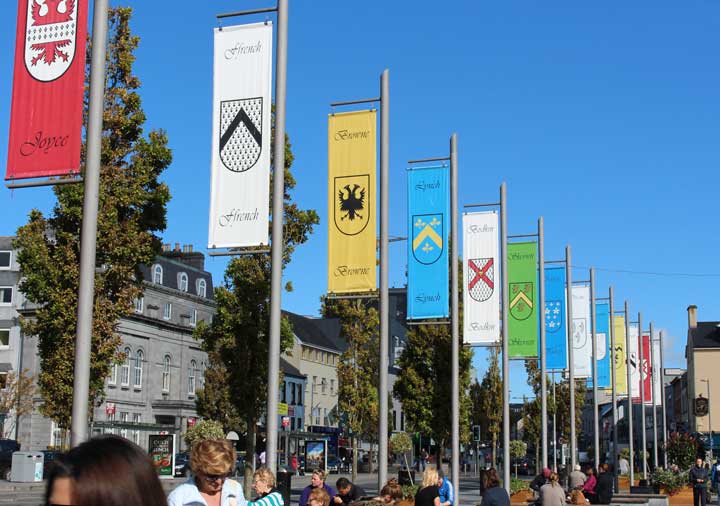
However, with Galway, the name refers to the 14 most powerful families that used to run the city from the 13th to the 19th century. The 14 families came from Norway, France, England, and Wales and distanced themselves from the natives by building a large wall around the city. The natives lived outside the city walls in the Claddagh.
All of our small-group tours of Ireland stop in this beautiful little city, which is also known as Ireland’s cultural heart. It just so happens to be the HQ of Overland Ireland, too! During your visit to Galway, you can still see many references to the tribes, like the flags of each of the tribes on Eyre Square or Lynch’s Castle in Shop Street.

What Do People Do for a Living in Ireland’s Rural Areas?
During our small-group tours of Ireland, we avoid the big cities and keep to the epic little windy roads. It’s all part of our love for finding the best non-touristy things to do in Ireland! Here and there, you can see houses spread out all over the countryside. The question we get asked most at that stage is what the people who live in these rural communities do for a living.
Although our guides cannot know for certain, we discussed this during our last teambuilding weekend. The rural communities are often a little older on average, so you would find a good few people not working but enjoying their pension. These communities are often surrounded by farm land, so a good few people would work on the farms as well.
Ireland is not a very big country, so the nearest city is never far away. People love to live in the countryside, so they often commute a little further. Within these small communities, you need schools, post offices, police stations and medical clinics, so that would be another part of what people do.
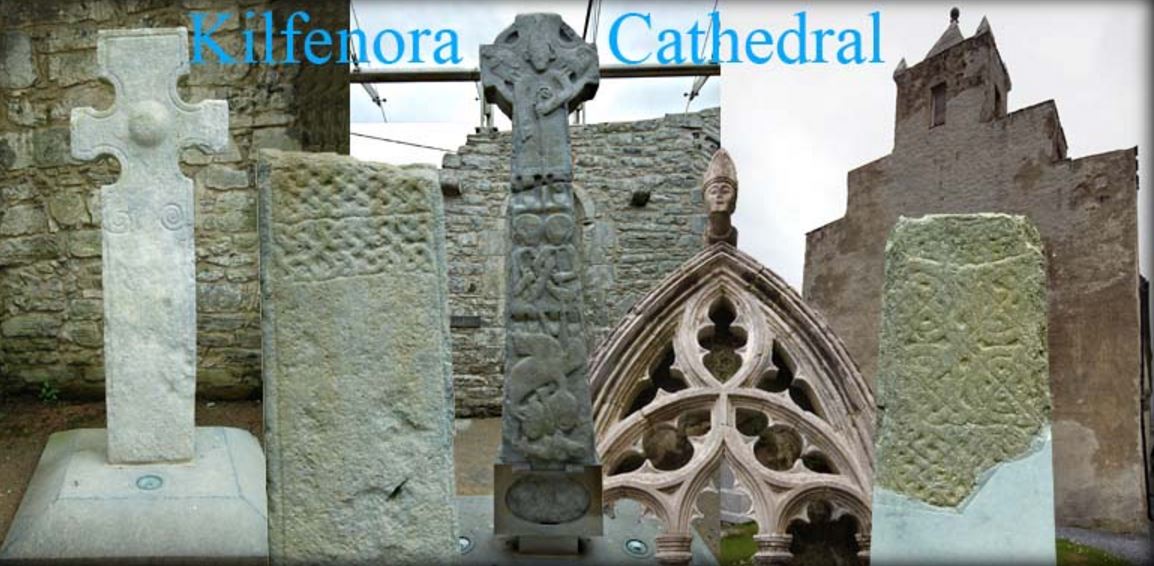
What is the Story Behind Ireland’s Celtic Crosses?
Celtic crosses were found all over Ireland at old monastic sites. They are one of our biggest contributions to Western Art from the Middle Ages. The first ones were made from wood and stone, and the ones that survived best are carved from stone. Most of them were used as meeting points or to mark boundaries.
When Christianity came to Ireland, most people could not read or write, so pictures were carved on the crosses with messages corresponding to the Bible. It was a way for the church to convert people from Pagan beliefs to Christianity. Many people think that these crosses are a perfect combination of Pagan and Christian, with the circle reflecting the worship of the sun and the cross the worship of Jesus Christ.
During our tours, we visit some of the best Celtic crosses in Ireland in Kilfenora. There were originally seven crosses at the cathedral, but one was removed to Killaloe. Of the remaining six crosses, three are complete; these include the most famous of all, the Doorty Cross and the West Cross.
If you’re interested in this aspect of Irish history and culture, you may like to know about following St Patrick’s footsteps through Ireland. It’s a fantastic way to connect with our country’s fascinating heritage.
Join One of Our Small-Group Tours of Ireland!
Find out even more about our Irish excursions by browsing our full range of small-group Ireland tours. See what trips stir your wanderlust and reserve your spot! If you have any questions for the Overland team, please don’t hesitate to get in touch for the information you need.