Best Things to Do, See & Experience
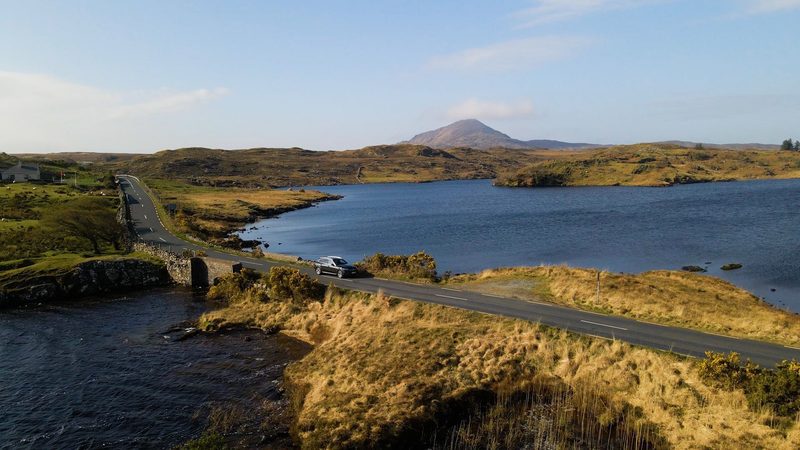
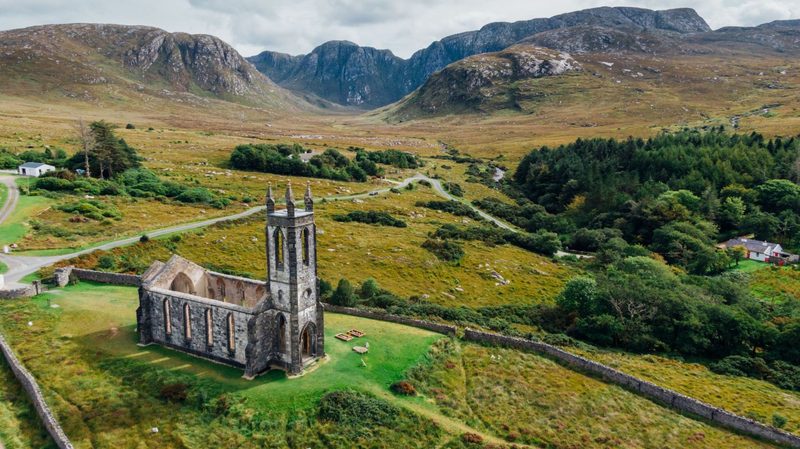
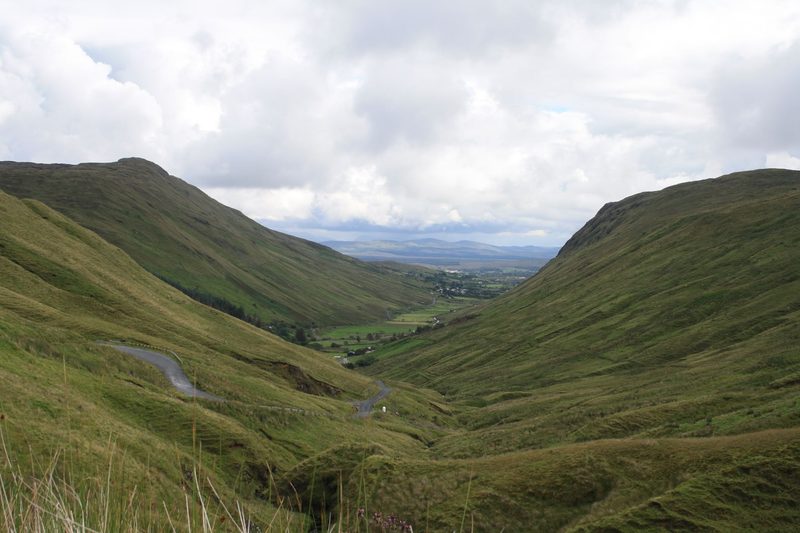
On the road through rugged Glengesh Pass, the valley does not reveal itself all at once. The tarmac bends between brown-green slopes, sheep appear above the dry-stone walls, and a pale strip of light slips in and out behind the cloud. Stop at a safe pull-in, and the first thing you’ll notice is not noise but its absence, except for the sound of wind moving over grass.
Donegal is not a place that rewards racing from one location to the next. Its scale emerges on the road, as you traverse sea cliffs in the south-west, Glenveagh’s wild interior, the dramatic Fanad peninsula, and the northerly beaches of Inishowen. Driving carefully along the narrow coastal roads, County Donegal demands you slow down and immerse yourself in the landscape.
At Overland Ireland, Donegal is a highlight of many of our tours. We’ve created this Donegal travel guide to help you plan your journey here, from how to get around to the best attractions and activities.
https://www.pexels.com/photo/abandoned-church-2317892
Why Visit Donegal Ireland?
First things first: where is Donegal Ireland? If you’re looking on a map, look to the far north-west of the Republic, where most of the county’s border is shared with Northern Ireland. Its northerly location has helped Donegal keep a strong identity, as it experiences fewer crowds and is home to the Donegal Gaeltacht, where the Irish language and traditions prevail.
The Raw Beauty of Ireland’s Northwest
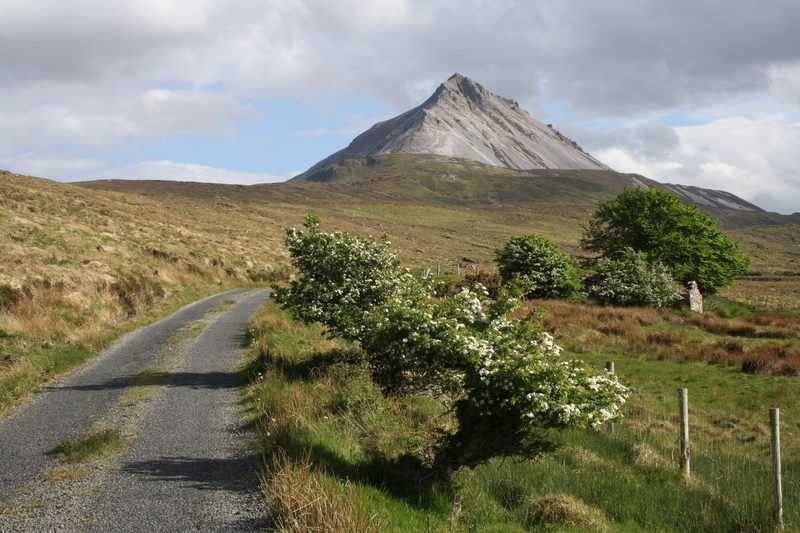
Donegal County is a landscape of extraordinary contrasts. At Sliabh Liag, the towering cliff face rises from the swirling Atlantic water. Around Gaoth Dobhair, Mount Errigal’s quartzite conical peak glows in the sunlight. Off the coast, the island of Arranmore beckons to adventurers with its walking trails and sandy beaches.
The weather can change these views by the hour, but this is all part of the beauty of Ireland. Come prepared for rain and wind, and experience the moving clouds as part of the landscape.
https://pixabay.com/photos/earthday-errigal-ireland-donegal-2266947
Fewer Tourists, More Authenticity
While Donegal forms part of the Wild Atlantic Way and draws in both local and international visitors alike, much of the county feels quieter than the busiest touring destinations in Ireland. Step into a pub in the small town of Glencolmcille and you’ll likely only find locals, or a family-run craft shop producing authentic Donegal tweed. Or, escape to the remote Tory Island, a Gaeltecht with a thriving artistic community.
This authenticity is what makes travelling here as part of a small group tour all the more rewarding. Head to off-the-beaten-path locations and enjoy greater flexibility for unplanned stops. Donegal is a place that unfolds over time and space, rather than a rigid itinerary.
Outdoor Adventure Opportunities
There’s no better way to experience County Donegal Ireland than by physically engaging with the landscape. At Glenveagh, you can enjoy easy lakeside strolls, while Inishowen and Arranmore offer moderate coastal loops. For more of a challenge, summit Mount Errigal, the tallest peak in Donegal. If you want to cover more distance, cyclists have an array of routes to choose from, including relaxed rides by Glenveagh Castle to the moderate yet scenic Rossguill Atlantic Drive.
Adventure isn’t restricted to the land. On the water, you can learn to surf at Rossnowlagh, join a guided sea-kayaking trip to Fanad Lighthouse, or take a relaxed boat tour from Teelin to see the Sliabh Liag cliffs from below. In Donegal, there is an option for everyone to enjoy. You don’t need to be an athlete to experience the fresh air and views, and an amble along the beach can be just as rewarding as a mountain summit.
Getting to and Around County Donegal
County Donegal needs slightly more planning than Dublin or Galway because it has no passenger rail service and its attractions are more widely spread out. We would recommend choosing your base first before booking transport, so you can plan around the attractions and sights you most want to see. Donegal Town suits exploring the south; Letterkenny works for Glenveagh; Gweedore opens the western Gaeltacht and islands; while Buncrana places you near Inishowen and Fanad.
How to Reach Donegal
Donegal can be easily reached via plane, bus, or car, giving you a variety of options.
Donegal Airport at Carrickfinn has year-round service, with flights between Donegal and Dublin and Donegal and Glasgow. From the airport, Gweedore is just a 15-minute drive away, while Letterkenny is an hour’s drive away.
If you travel by bus, Expressway routes 30/X30 connect Dublin and Dublin Airport with Donegal Town, while route 32 connects Dublin and Letterkenny. Bus Éireann route 64 links Galway and Derry via Sligo, Donegal Town and Letterkenny. Just make sure to check live timetables before travelling.
If you drive, allow more time than the distance suggests. A journey from Dublin or Galway to Donegal Town typically takes around three hours without a stop, but traffic and included stops will make a difference. Derry is the most convenient gateway for northern Donegal and Inishowen, with the drive to Letterkenny taking just 30 minutes.
Best Ways to Get Around
A car gives you the greatest freedom for getting around Donegal, particularly for Glengesh Pass, remote beaches, trailheads, and the smaller roads of Inishowen. Drive on the left, take bends slowly, and use marked pull-ins rather than stopping on the road for a photograph. On single-track stretches, be ready to use passing places and give walkers, cyclists and livestock plenty of room.
You can still explore selected areas of County Donegal without driving. TFI Local Link connects rural communities, but frequencies may be limited, especially on Sundays.
A planned route or a guided journey can take the pressure out of trying to navigate distant areas. Our Ireland self-drive tours come with pre-arranged routes and a helpful app guide while allowing you to still travel independently. And if you’d prefer not to drive on unfamiliar roads, our small-group tours of Ireland take care of all the driving for you!
https://pixabay.com/photos/donegal-ireland-wild-atlantic-2266939
Top Donegal Highlights You Shouldn’t Miss
The best-known Donegal Ireland attractions become more meaningful when you slow down. If you take your time to appreciate these places, they become not just items you tick off your list, but a core memory.
Slieve League: Among Europe’s Highest Sea Cliffs
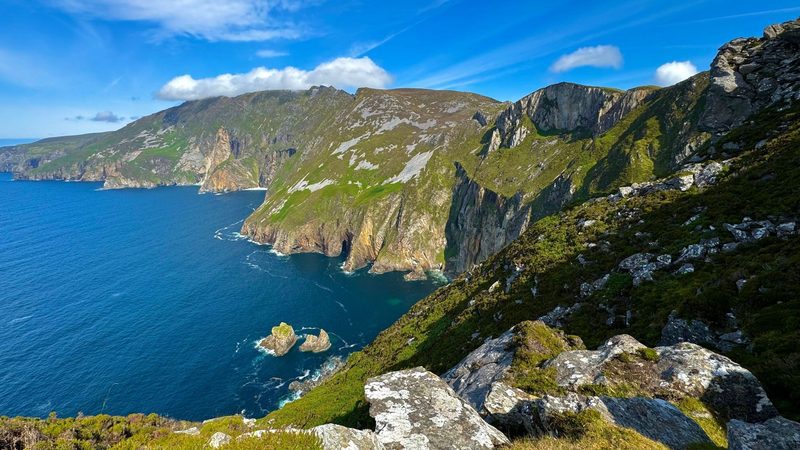
In southern County Donegal, the Bunglas cliff face at Sliabh Liag — also widely known as Slieve League — rises more than 600 metres above the Atlantic. That makes these cliffs among the highest sea cliffs in Europe. The most accessible way to experience them is from the Sliabh Liag viewing platform, which is just 4 kilometres from the visitor centre and is wheelchair-accessible. There is also a range of paths to explore, from the 2.5-kilometre Cliff Path Walk to the 13-kilometre Loop Walk, which allow you to explore the rugged cliff tops.
For a different sense of scale, take a boat from Teelin Harbour. From the water, Slieve League becomes a long wall of rock cut by ledges, gullies and waterfalls. Allow a few hours rather than squeezing it between distant stops.
https://www.pexels.com/photo/the-cliffs-of-moher-ireland-27807453
Glenveagh National Park
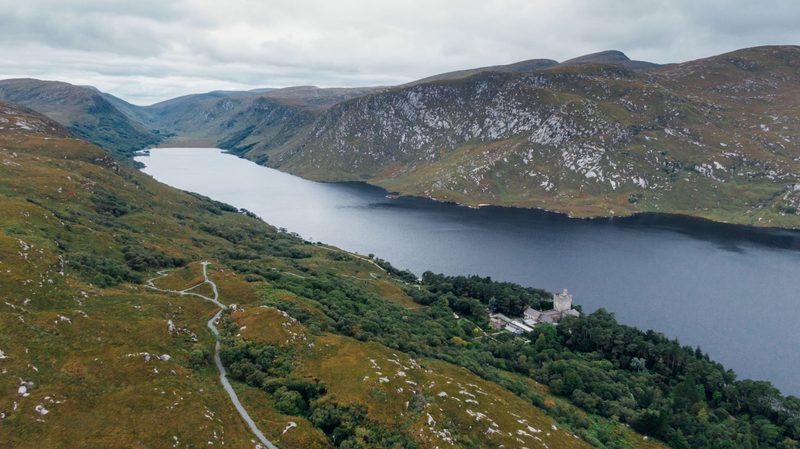
Among the Derryveagh Mountains, Glenveagh National Park is the second largest national park in Ireland. Home to woodlands, waterfalls, rivers, deer and a historic castle, Glenveagh offers a remarkable mix of wild landscape and Irish heritage. The approach to the castle follows the lakeshore, with water on one side and woodland rising on the other. Glenveagh Castle was built between 1867 and 1873 as a Victorian highland retreat, and its formal gardens contrast with the surrounding mountains.
You can discover the park on one of the many walking trails available. The 2-kilometre Derrylahan Nature Trail is graded easy, the 3.5-kilometre Lakeside Walk is moderate, and the 1-kilometre View Point Trail is short but steep and stony. The 8-kilometre Glen or Bridle Path is graded strenuous, but it provides gorgeous views of Lough Veagh.
https://www.pexels.com/photo/lake-between-mountains-2317896
Donegal Town and Its Charming Centre
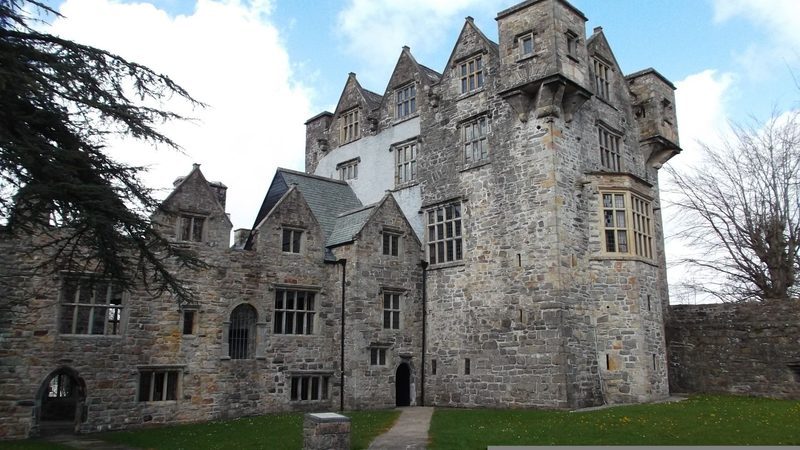
Donegal Town gathers around the Diamond main square, where roads, cafés and shops meet near the River Eske. The city centre is compact enough to explore on foot, but it carries a large part of the county’s story. Here, Donegal Castle was built by the O’Donnell chieftains in the 15th century and later rebuilt with Jacobean additions. Near the Diamond, Magee of Donegal is an iconic tweed business founded in 1866 that continues to weave exceptional garments.
While Donegal Town offers a lovely small-town feel, especially on a busy Saturday afternoon, it’s also a practical base to explore the rest of the county, with Slieve League just an hour’s drive away, and Letterkenny a 50-minute drive away. For more characterful Irish towns, see our guide to the Best towns to visit in Ireland.
https://pixabay.com/photos/castle-ireland-donegal-historical-574961
The Wild Atlantic Way Coastal Route
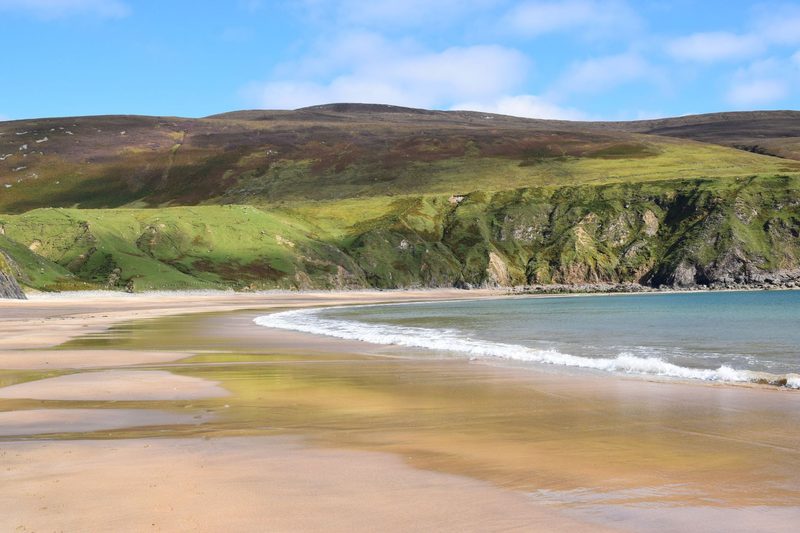
The Wild Atlantic Way runs for roughly 2,500 kilometres from Inishowen to Kinsale, but Donegal’s section is distinct. Spanning from Donegal Town to Malin Head, its coastline traverses peninsulas, mountain passes and villages. You’ll drive above the cliffs of Slieve League and past Silver Strand, a sheltered bay where you can swim between the cliffs. The Glengesh Pass sees you driving through a dramatic valley, while the Assaranca Waterfall sits close enough to the road for a timely stop. Farther north, the route reaches the Gaeltacht coast, Fanad and Malin Head.
You won’t be able to drive this route in a day, and we wouldn’t recommend it either. Rather break up the journey so you can savour your time at each spot. And if you need advice on the route and itinerary, we can help you craft a tailor-made tour of Ireland.
Inishowen Peninsula
Inishowen is the largest of Donegal’s peninsulas and reaches Ireland’s most northerly mainland point at Malin Head. For those willing to make the drive this far, you’ll be well rewarded. The signposted Inishowen 100 scenic coastal drive is approximately 100 miles, and its smaller roads reward an unhurried circuit. Lough Swilly lies to the west, Lough Foyle to the east, and the wild Atlantic opens beyond the northern headlands, with Buncrana Beach offering a beautiful expanse of sand for you to stretch your legs. Malin Head is the dramatic endpoint, where jagged cliffs rise from the ocean. At the tip is Banba’s Crown, named after a mythic queen and home to a 19th-century tower.
Things to Do in Donegal for Every Traveller
Not everyone wants the same holiday. You may want beach days and castle tours, while your travel partner may be looking for mountain trails and culinary excursions. Luckily, there are numerous things to do in Donegal Ireland that appeal to every kind of traveller.
Hiking and Walking Adventures
For a moderate coastal outing and gorgeous scenery, the Malin Head Circular Walk is just 4.5 kilometres and offers views as far as Scotland on a clear day. If you want to feel accomplished, you can summit Mount Errigal, Donegal’s tallest peak at 751 metres high. It’s a 4.5 kilometre climb with a 570 metre ascent, taking roughly two to three hours to complete. But if you want a challenge, the Poisoned Glen Loop spans 16.7 kilometres with a 933 metre climb, and is best suited to experienced hikers.
There are also stunning adventures awaiting on the islands. The Tory Island Loop varies between six and nine kilometres depending on how far you want to go, taking you along cliff paths and past the lighthouse. On Arranmore, the 17.8-kilometre Slí Árainn Mhór circuit goes along the dramatic coastline and into the rugged interior, taking about five hours depending on your pace and fitness. If you want to really immerse yourself in the landscape, the Bluestack Way is a 64.1-kilometre, multi-day trail between Donegal Town and Ardara, taking three days to complete.
Routes, access, and weather can change, so consult current trail information and always tell someone about your plan. For more route ideas across the country, see our guide to Hiking in Ireland.
Beach and Water Sports
With a coastline spanning just over 1,100 kilometres, County Donegal is home to some glorious beaches. Rossnowlagh is a three-kilometre Blue Flag beach, regarded as one of the best surfing beaches in Ireland. The gentle, consistent surf makes it ideal for beginners, and there are numerous surf schools to choose from. It’s also an excellent choice for swimmers. More experienced surfers can head to Bundoran to catch the Peak, a reef break that produces one of the best waves in Ireland.
Further north, Maghera beach invites exploration. A boardwalk winds through towering dunes before opening onto a wide white strand backed by the cliffs of Slievetooey, and beneath the headland lie more than twenty sea caves, tunnels and arches that only reveal themselves at low tide. When the tide is higher, you can see these rock formations by kayak. Be careful with the tides and make sure to carefully assess them before going exploring. For more paddling, the sheltered water of Mulroy Bay between the Fanad and Rosguill peninsulas allows you to glide past sea stacks and into caves that are only reachable by water, while more experienced kayakers may head for the base of the Slieve League cliffs on a calm day for something properly wild.
If you’re hoping to go fishing, anglers do well working the piers and headlands rather than the beaches, like Fanad Head and Rathmullan, Teelin Pier under Slieve League, and Portsalon Pier, where you can aslo join fishing trips at sea.
https://www.pexels.com/photo/view-of-the-silver-strand-beach-in-ireland-15934817
Cultural and Historical Attractions
Donegal Castle, in the heart of Donegal Town, is one of the most easily accessible attractions in the county. But it’s certainly not the only castle in Donegal. Doe Castle, once the stronghold of the MacSweeneys, stands at the shores of Sheephaven Bay. Its grounds are open year-round, but guided access to the keep is by appointment. In Glenveagh National Park, the Glenveagh Castle emerges from the wild landscape, creating a deeply romantic scene.
Donegal’s long spiritual and religious heritage is still apparent. Near Donegal Castle, the ruins of Donegal Abbey still remain after its destruction in the Nine Years War. On Inishkeel Island, a monastery was founded in the 6th century, with the remnants of two churches still standing.
The Gaeltacht in Donegal is the second largest in Ireland. Irish remains a community language in areas including the Rosses, Gaoth Dobhair, Gleann Cholm Cille and Fánaid. Listen to how names are pronounced, use go raibh maith agat (“thank you”) if you are comfortable, and remember that English-speaking visitors are welcome! Arranmore and Tory Island are both a part of the Gaeltacht, and Tory is particularly associated with Irish music and visual art.
Local Food and Dining Experiences
County Donegal’s best food experiences begin by the sea. Start in Killybegs, where the boats actually come in. The Seafood Shack there is a local institution, serving award-winning chowder and fish as fresh as it gets. For the traditional Irish pub experience, The Rusty Mackerel in Teelin is the place to go after exploring Slieve League. The Olde Glen Bar is one of Donegal’s oldest, bringing old-world charm and a fine selection of gin and whisky.
Outside of the restaurant, local farmers markets in Donegal Town, Letterkenny, and Dunfanaghy offer a great way of sourcing fresh produce while connecting with the people who make it. Spending time with independent cafés, pubs and food producers keeps more of your visit in the community — and often brings a better conversation with lunch.
Photography and Scenic Viewpoints
At Sliabh Liag, morning light provides a crisp detail on the cliff face, while evening light reaches across Donegal Bay. Fanad Lighthouse works in almost any weather because the white tower stands sharply against dark sea and cloud. At Malin Head, low light peeks out the broken rock around Banba’s Crown. Glengesh Pass is a scenic viewpoint where shadows help to reveal the folds of the valley and the coastline beyond.
Make sure to carry a waterproof cover for your camera and clean your lens after sea spray. More importantly, park only in proper spaces and stay back from cliff edges, especially in wind. Donegal’s weather changes quickly, so keep your camera accessible, but also know when to put it away. Sometimes your memory turns out better than a photograph!
https://www.pexels.com/photo/sheep-grazing-on-the-slieve-league-cliffs-in-ireland-15934813
Where to Stay in Donegal
Donegal offers a range of accommodations suited to every budget and taste. Depending on what interests you, finding a home base can ease your journey. Donegal Town or Ardara is ideal for the south; Dunfanaghy, Gaoth Dobhair or Letterkenny places you near Glenveagh, the Gaeltacht and Arranmore; while Buncrana, Carndonagh or Moville suits Inishowen and the north.
Budget-Friendly Accommodation Options
Hostels, simple guesthouses and self-catering properties can keep costs manageable without reducing the quality of the trip. Donegal Town Independent Hostel, one kilometre from the centre, offers dormitory, private, and family rooms as well as a shared kitchen. Elsewhere, smaller family-run properties often include breakfast and practical local advice you might not find at a chain hotel. Book early for July, August, festivals and bank-holiday weekends, as places can get booked out quickly.
Mid-Range Hotels and Guesthouses
The mid-range is often Donegal’s sweet spot: comfortable rooms, breakfast included, and a host who knows the area. The family-run Ard Na Breatha House Bed and Breakfast, just a short drive from town, is located on a working farm and has an on-site restaurant. In Letterkenny, the 4-star Clanree Hotel provides further opportunity for relaxation with its leisure centre and spa, while the family-run Ballyfillin Lodge comes with a golf course, spa, and easy access to Malin Head.
Luxury and Unique Accommodations
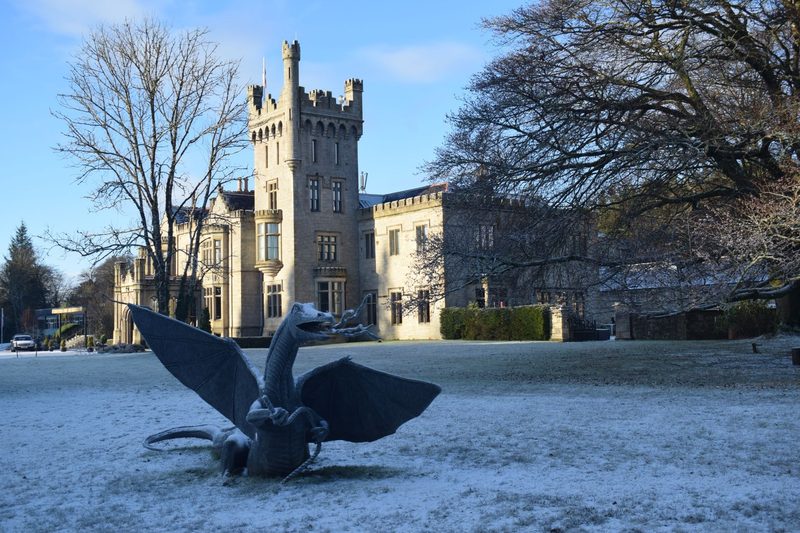
Near Donegal Town, the five-star Lough Eske Castle is the epitome of luxury. Nestled on a lakeside woodland estate, Lough Eske Castle not only offers the opportunity to stay in such an opulent residence, but to indulge in fine dining and a luxurious spa.
Also on the shores of Lough Eske is Harvey’s Point, a four-star hotel backed by the Bluestack Mountains. These rooms come with the finest furnishings, where you can rest your head after a day of exploring the countryside. The onsite restaurant boasts panoramic views of the lake, where you can savour an afternoon tea or Sunday carvery lunch.
For something truly unique, the former lightkeepers’ cottages at Fanad Lighthouse can be booked year-round, placing you between Lough Swilly and the Atlantic after day visitors leave. Fall asleep to the sound of crashing waves and feel yourself a part of Donegal’s history.
https://pixabay.com/photos/lough-eske-castle-hotel-donegal-7682621
If you’re looking for luxury on your trip, our private tours of Ireland will allow you to travel in utmost comfort as our team takes care of everything from the driving to the bookings and the accommodation.
What to Do in County Donegal by Season
What to do in Donegal Ireland varies by the season. While summer is the peak time to visit, the county is a year-round destination, offering a range of activities, festivals, and experiences to enjoy.
Summer: Peak Adventure Season
Between June and August, Donegal County is in full swing. The sun sets as late as 11 pm, the towns are bustling, and the seasonal calendar is packed. The Earagail Arts Festival runs from mid-to-late July across the county, with art, street theatre, and an unmissable music line-up. Letterkenny’s Summer Sessions brings a run of live outdoor music through early-to-mid August, while the Arranmore Country Fest features live country music and dancing.
This is also the time for outdoor activities. Slieve League’s car park fills, and Rossnowlagh’s surf schools run back-to-back lessons, so make sure to plan ahead and prepare for crowds!
Spring: Renewal and Mild Exploration
By April and May, yellow gorse brightens the headlands and woodland paths gather bluebells. Trails and viewpoints are generally quieter than in the summer, though the ground can remain wet and high routes may still be cold and exposed. May and June are typically Ireland’s sunniest months, so the shoulder season presents a good opportunity for exploring outside.
Spring is a good time for roaming around Donegal Town, Glenveagh’s gardens, coastal walks and Inishowen. The Rory Gallagher International Tribute Festival traditionally brings rock and blues to Ballyshannon around the end of May; check the current programme and book well ahead if your dates coincide.
Autumn: Dramatic Light and Fewer Crowds
In September and October, the light takes on a gentler quality, bathing the landscape in rich hues that are ideal for photography. This is an excellent time for photographing attractions like Fanad Lighthouse, Glengesh Pass, and the western beaches. Visitor numbers ease after the school holidays, leaving more space on many trails and in small towns.
The trade-off is shorter days and a greater chance of unpredictable weather. Start walks early, carry a head torch even when you expect to finish in daylight, and maintain a flexible plan. A wet morning can become a clear coastal afternoon, but build enough space into the itinerary to take advantage of it.
Winter: Solitude and Unique Beauty
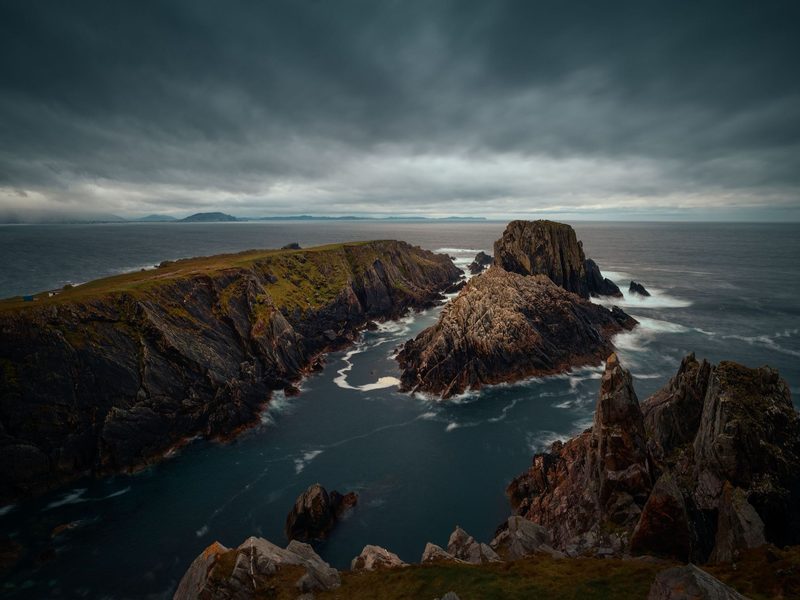
Winter offers empty beaches, wild Atlantic weather, and drinks by the fire. It also brings shorter daylight, strong wind, wet ground, and reduced services. This is a season for slow walks, castle visits, and embracing the solitude of the landscape. Make sure to book accommodation and dinner in advance, verify attraction opening times, and expect island ferries to depend on sea conditions. If you enjoy storm watching, do it from a safe indoor or set-back viewpoint.
https://www.pexels.com/photo/dramatic-rocky-coastline-under-moody-sky-34722607
Practical Tips for Visiting Donegal
What to Pack and Weather Considerations
Packing for Donegal County means preparing for all seasons and possible activities. Here is what we recommend bringing:
- A proper waterproof jacket with a hood, not just a light shower layer.
- Warm layers you can add and remove, even in summer.
- Walking shoes or boots with grip for the trails. Waterproof footwear is useful on boggy paths.
- A small daypack to keep water, snacks, sunscreen and a power bank.
- A warm hat and light gloves for exposed viewpoints.
- A paper map or downloaded offline map for areas with weak signal.
- A head torch for longer walks outside midsummer.
- Swim gear if you also have a safe plan for changing and warming up.
If you’re going hiking, check Met Éireann forecasts and warnings on the morning of travel, then reassess at the trailhead. Visibility and wind conditions can change quickly. If the cloud drops or a route feels risky, don’t be afraid to turn back. Donegal will still be there tomorrow.
Budget Planning and Currency
Donegal County is in the Republic of Ireland and uses the euro. If your route crosses into Derry or elsewhere in Northern Ireland, the currency changes to pounds sterling. Although cards are widely accepted, keep a little cash for small cafés, parking, ferries, or businesses with unreliable connectivity.
As a broad planning allowance, a budget trip using hostels or shared rooms, simple meals and public transport may run around €90–€140 per person per day. A mid-range self-drive trip for two sharing a room and car is more realistically €170–€270 per person per day. A luxury hotel, private guiding and fine dining can take the daily cost above €300. The season you book makes a difference, with higher prices in peak summer. Many of the best beaches, viewpoints and walks are free, so spend where it improves the trip for you.
Local Customs and Travel Etiquette
Donegal is as warm and welcoming as it gets, with plenty of craic to go around. In many pubs, you order and pay at the bar unless staff tells you otherwise. Buying rounds is common among friends, but you don’t need to join in. At a traditional session, make sure to give the musicians space, keep conversation low near the music, and ask before recording people closely.
The majority speak English, locals are friendly, and conversation comes easily. In the Gaeltacht, Irish is a living community language. Use the Irish place name where you can and learn how to greet and give thanks, but don’t worry about perfect pronunciation — sometimes it’s better to ask first and show your curiosity!
Visit Donegal Ireland: Planning Your Itinerary
If you are deciding what to do and where to go in County Donegal, plan around what you’re interested in and not just to tick off a list. Donegal is best explored at a slow pace that allows for depth and flexibility, especially if the weather has other plans.
Three-Day Donegal Itinerary
If you only have a short amount of time in Donegal, prioritise a small number of highlights rather than trying to cover everything. Base yourself in Donegal Town and spend your first day visiting Donegal Castle, walking around the Diamond, or taking an easy trip to Lough Eske or Murvagh Beach.
On day two, travel west to Killybegs, Teelin and Sliabh Liag, where you take your time to soak up the views. You can also add in a stop at Gleann Cholm Cille to explore a replica of a traditional Irish settlement, or arrange the route to drive the Glengesh Pass, but try to avoid doing too much in one day.
On day three, drive north towards Glenveagh National Park where you can choose a trail to walk and visit the gardens or castle. Depart through Letterkenny, or stay in the north if the trip continues. A prepared self-drive route makes this short itinerary manageable, but the key is choosing your stops well!
One-Week Donegal Experience
With one week, you’ll have the luxury to build in some downtime and settle into Donegal rather than just tour it. Spend two nights around Donegal Town for the town, Sliabh Liag, and the south-west coast. Continue through Ardara and Glengesh towards Gaoth Dobhair or Dungloe for two nights, taking your time to enjoy the scenic drive. Use one day for exploring Glenveagh and another for the Gaeltacht coast or a ferry from Burtonport to Arranmore.
Next, travel through Dunfanaghy and Fanad and stop at the lighthouse. Spend the final two nights on Inishowen, using Buncrana as a base for Mamore Gap, Malin Head and the eastern shore. You can depart through Derry rather than backtracking south. This route still covers a large area, so make sure to plan in rest stops. If you need some ideas or tips on how to plan an itinerary, have a look at our Ireland self-drive tours, where we have perfected the art of the road trip!
Extended Stay and Deep Exploration
With 10 days or more, Donegal stops feeling like a route and begins to feel like a place. Follow our one-week itinerary, but plan to stay overnight on Arranmore instead of taking the next ferry back. Add Tory Island when the sailing and weather align, remembering that Tory is a living Gaeltacht community that offers real cultural immersion. Give Inishowen two full days and walk part of the Inishowen Head Loop instead of seeing the entire peninsula through the window.
Extra time also makes room for a tweed workshop in Ardara, an Irish-language cultural experience in the Donegal Gaeltacht, a guided sea kayak, or two nights beside Lough Eske with no ambitious driving plan. This is the version of Donegal we value most, allowing you the freedom to be as spontaneous or relaxed as you wish.
Final Thoughts: Why Donegal Deserves Your Next Adventure
County Donegal Ireland is wild, lively, and deeply authentic. Its landscape is dotted with harbours, farms, islands, and towns that make any visitor feel at home. If you’re looking to really immerse yourself in Ireland, its land, and its culture, Donegal is the place to be. And whether you’re interested in exploring as part of a guided tour or to take to yourself out on the road, the Overland Ireland team is here to help you make your dream journey come true. Just get in touch with us with any questions, and we’ll get right back to you.